Freshline Font: A Modern Textured Brush for Impactful Design
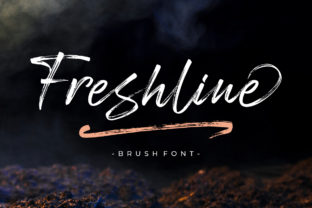
Freshline is a textured brush font that brings a fresh, contemporary feel to any design. Its unique character style makes it ideal for headers and titles, offering both visual appeal and readability. Whether you're crafting content for digital platforms or print materials, Freshline can elevate your typography game.
What Makes Freshline Stand Out?
Freshline is more than just another brush font—it’s a carefully crafted design that balances artistry with usability. The font features a modern, clean aesthetic with subtle texture that adds depth without overwhelming the text. This makes it versatile enough for both professional and creative applications.
One of its defining traits is its contemporary design style, which aligns well with current design trends. The brush strokes give it a handcrafted look, yet the overall structure remains legible and professional. This combination makes Freshline suitable for a wide range of uses, from branding to editorial work.
Key Characteristics and Strengths
- Textured Brush Style: Freshline's brushed texture adds a tactile quality to the text, making it visually engaging and memorable.
- Modern Aesthetic: Its contemporary design ensures it fits well with modern layouts and design systems.
- High Readability: Despite its artistic appearance, Freshline maintains excellent legibility, especially at larger sizes.
- Adaptable: It works across various mediums, including web, print, and digital interfaces.
- Strong Visual Impact: The font stands out in headers and titles, drawing attention and enhancing brand presence.
Practical Applications Across Different Environments
Freshline’s versatility means it can be applied in numerous settings, each benefiting from its unique qualities.
Professional and Commercial Use
In professional contexts, Freshline is perfect for company logos, marketing materials, and website headers. Its modern look helps brands appear innovative and approachable. For instance, a tech startup might use Freshline on their homepage to convey creativity and forward-thinking values.
Freelancers and consultants can also benefit by using Freshline in their portfolios or service descriptions. It adds a touch of personality while maintaining professionalism.
Education and Content Creation
For educators and content creators, Freshline offers an appealing alternative to standard sans-serif fonts. It can be used in lesson plans, presentations, or course materials to make content more engaging. Teachers might choose it for title slides or headings to break up dense text and improve readability.
Bloggers and writers can incorporate Freshline into their posts for section headers or call-to-action buttons. Its visual interest can help readers navigate content more easily and stay engaged.
Creative and Digital Projects
Designers working on creative projects such as posters, social media graphics, or packaging can leverage Freshline’s textured style to add a unique flair. It works particularly well in designs that aim to blend art with functionality.
On digital platforms, Freshline can enhance user experience by providing a distinctive visual identity. For example, a lifestyle blog might use it for headlines to create a cohesive and stylish look across all content.
Benefits of Using Freshline
Choosing Freshline offers several benefits that extend beyond aesthetics. Its impact on communication and branding should not be overlooked.
Enhanced Branding and Communication
A strong font choice can significantly influence how a brand is perceived. Freshline’s modern and textured style communicates creativity, reliability, and approachability. These qualities are essential for building trust and connecting with audiences.
Its adaptability also allows for consistent branding across different channels. Whether used in print or digital formats, Freshline maintains its integrity, ensuring a unified brand identity.
Improved User Experience
From a user perspective, Freshline contributes to a more enjoyable experience. Its high readability and visual appeal make it easier for users to engage with content, especially when used in headers and titles.
Additionally, the font’s distinctiveness helps content stand out in a crowded digital landscape. This can lead to increased engagement and better retention of information.
Considerations When Using Freshline
While Freshline offers many advantages, there are some practical considerations to keep in mind when selecting and implementing it.
Font Compatibility and Licensing
Before using Freshline, ensure it is properly licensed for your intended use. Some fonts may have restrictions on commercial or public use, so always check the terms of service provided by the font provider.
Additionally, test the font across different devices and platforms to confirm compatibility. While most modern browsers support web fonts, there may be minor variations in rendering depending on the system.
Pairing with Other Fonts
To maintain balance and readability, consider pairing Freshline with complementary fonts for body text. A clean sans-serif or serif font can provide contrast while keeping the overall design cohesive.
For example, using a simple sans-serif like Arial or Helvetica for body copy alongside Freshline for headers creates a visually appealing and functional layout.
Optimizing for Different Sizes
Freshline performs best at larger sizes, especially when used for headers and titles. At smaller sizes, the texture may become less visible, potentially affecting readability.
To optimize for different screen sizes, use responsive design techniques to adjust font size and spacing based on the device being used. This ensures a consistent and pleasant reading experience across all platforms.